Let’s be honest, the difference between a good drink and an unforgettable one often comes down to the details. And in the world of beverages and desserts, there’s no detail more crucial, yet more overlooked, than the ice. The right Ice Crusher For Restaurants And Cafes isn’t just a piece of equipment; it’s the silent partner that elevates your creations from mundane to magnificent. It’s the secret behind that perfectly chilled margarita, that eye-catching seafood display, and that refreshing granita that has customers lining up on a hot day. If you’re ready to unlock a new level of quality and efficiency in your establishment, you’ve come to the right place. This guide is your deep dive into choosing, using, and mastering the art of crushed ice.
What Exactly Is an Ice Crusher and Why Does Your Business Need One?
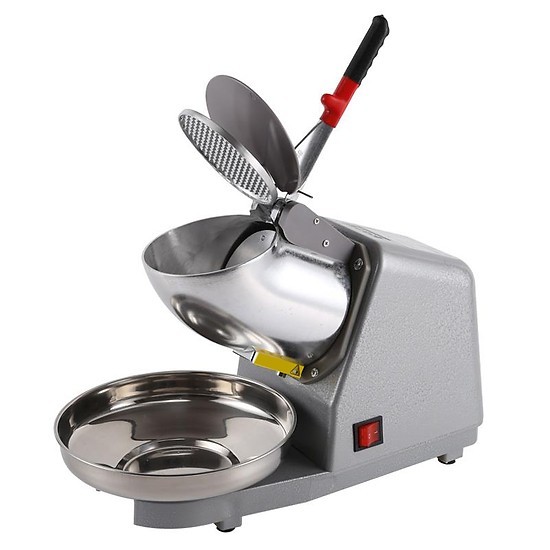
At its core, an ice crusher is a device designed to break down large ice cubes into smaller, more manageable pieces. But that’s like saying a chef’s knife is just for cutting. The true value lies in the how and the why. For a commercial setting, a dedicated ice crusher provides consistency, speed, and versatility that you simply can’t get from whacking a bag of ice with a mallet.
Think of it this way: a large ice cube in a cocktail cools the drink slowly but also dilutes it slowly. Crushed ice, with its vastly increased surface area, chills a drink almost instantly. This rapid cooling is essential for cocktails like Mint Juleps or frozen drinks where you want a perfectly blended, frosty texture without a watery finish. For a cafe, it means crafting signature iced coffees and smoothies with a superior mouthfeel. It’s about controlling every element of the customer’s experience, right down to the texture of the chill.
Manual vs. Electric Ice Crushers: The Big Showdown
When you start your search, you’ll immediately face a choice: do you go old-school with a manual machine or embrace the power of an electric model? For a commercial environment, the answer is usually clear, but let’s break it down.
The Old-School Charm of Manual Ice Crushers
A manual ice crusher, typically operated with a hand crank, has a certain nostalgic appeal. They are quiet, require no electricity, and are great for very low-volume needs or as a reliable backup. I’ve seen them used in small, intimate cocktail bars where the bartender makes a show of cranking the ice for a signature drink. However, for the hustle and bustle of a busy service, they just can’t keep up.
The Powerhouse: Electric Ice Crushers
This is where the real magic happens for a business. An ice crusher for restaurants and cafes is almost always an electric model. These machines are built for speed and volume, capable of processing pounds of ice per minute. They deliver a consistent result every single time, which is non-negotiable when you have a line of drink orders. They are the workhorses of the modern bar and kitchen.
| Feature | Manual Ice Crusher | Electric Ice Crusher |
|---|---|---|
| Speed | Slow, dependent on user | Very Fast |
| Volume | Low (a few drinks at a time) | High (pounds per minute) |
| Consistency | Often inconsistent | Highly consistent |
| Best For | Home bars, very low-volume cafes, backup | Restaurants, cafes, bars, events |
| Power | Human-powered | Electricity required |
| Cost | Low | Higher initial investment |
Key Features to Look for in an Ice Crusher for Restaurants and Cafes
Alright, you’re sold on an electric model. But not all machines are created equal. As a technician who has seen the inside of dozens of these units, I can tell you what truly matters when you’re putting your money down.
How Important is Motor Power and Capacity?
Motor power, measured in watts, is the engine of your machine. A higher wattage generally means the crusher can handle more ice, more quickly, without overheating. For a busy cafe or bar, look for a motor of at least 300 watts. Capacity is equally important and is often measured in pounds per hour. A small bar might be fine with a machine that produces 60-80 lbs/hr, but a high-volume restaurant should aim for something in the 100+ lbs/hr range.
Blade Construction: The Heart of the Machine
This is where the rubber meets the road, or rather, where the steel meets the ice. The blades determine the quality and texture of your final product.
- Material: Always, always insist on food-grade stainless steel. It’s durable, resists corrosion from constant moisture, and stays sharp longer. Cheaper materials will dull and rust, potentially contaminating your ice.
- Design: Look for heavy-duty, multi-blade systems. Some machines use a “shaver” blade to produce fine, snow-like ice, while others use “crusher” blades for coarser, chunkier ice perfect for cocktails and displays. The best commercial models often have blades that can do both.
Can I Adjust the Ice Texture?
Yes, and you should look for a machine that lets you! The ability to adjust the coarseness of the ice is a game-changer. You need fine, fluffy ice for snow cones and Japanese kakigori, but a medium-coarse texture for a Moscow Mule or for lining a seafood platter. A good ice crusher for restaurants and cafes will have a simple knob or lever to control the blade distance, giving you complete control over the final product.
Expert Take: “I tell every bar manager the same thing: your ice program is as important as your spirit selection. Having a machine that can produce different ice textures on demand allows my bartenders to be more creative and consistent. It’s an investment that pays for itself in drink quality.” – James Carter, Mixology Consultant
Build Quality and Safety Features
Your ice crusher will be working hard, so it needs to be built to last. Look for a sturdy housing, preferably with stainless steel components. Non-slip rubber feet are a must to keep the machine stable during operation. From a safety perspective, a crucial feature is an auto-shutoff mechanism that stops the blades the moment the lid or hopper is opened. This prevents accidents and is a non-negotiable feature in a professional kitchen.
|
Our Picks for the Best ice crusher in 2025
As an Amazon Associate, we earn from qualifying purchases.
|
||
| Num | Product | Action |
|---|---|---|
| 1 | HORGELU Ice Crusher Ice Shaver 3 Blades with Ice Pick 286lbs/hr Snow Cone Machine 380W Shaved Ice Machine 2000rpm Food-grade Stainless Steel Ice Shaved Machine 110V Snow Cone Maker for Home Commercial |

|
| 2 | VEVOR 110V Commercial Ice Crusher 661LBS/H, ETL Approved 300W Electric Snow Cone Machine with Dual Blades, Stainless Steel Shaved Ice Machine with Safety On/Off Switch for Family, Restaurants, Bars |
|
| 3 | Shaved Ice Machine, Electric 3 Blade Snow Cone Machines, 380W Ice Crusher Machine, 286 lb/hr Ice Crusher, Ice Shaving Machine for Home and Commercial (Silver) |
|
| 4 | Shaved Ice Machine Snow Cone Machine Ice Crusher with Stainless Steel Blade Kitchen Electric for Shaved Ice and Snow Cone (300W 2000r/min) Also Comes with a Free Ice Pick and Ice Cube Tray |
|
| 5 | Ice Shaver and Snow Cone Machine, Premium Portable Ice Crusher with Free Ice Cube Trays - BPA Free |
|
| 6 | Cuisinart Snow Cone Maker SCM-10P1 |
|
| 7 | OKF Ice Shaver Prevent Splash Snow Cone Machine, Electric 3 Blades Shaved Ice Machine, 380W Ice Shaver Machine, 286lbs/hr Shave Ice Machines, Snowcone Machines, Ice Crusher (Silver) |
|
| 8 | Shaved Ice Machine 380W Electric Ice Crusher Triple Blades Ice Crusher Shaver 286lbs/hr Snow Cone Machine 1500 RPM Stainless Steel Ice Shaver Ice Shaving Machine for Home and Commercial |
|
| 9 | Shaved Ice Machine Snow Cone Machine Ice Crusher with Stainless Steel Blade Kitchen Electric for Shaved Ice and Snow Cone (300W 2000r/min) Also Comes with a Free Ice Pick and Ice Cube Tray |
|
| 10 | Shaved Ice Machine Snow Cone Machine Ice Crusher with Stainless Steel Blade Kitchen Electric for Shaved Ice and Snow Cone (300W 2000r/min) Also Comes with a Free Ice Pick and Ice Cube Tray |
|
How to Use Your Ice Crusher Safely and Effectively
Once you’ve chosen the perfect machine, using it correctly will ensure its longevity and your safety. It’s simpler than you think.
- Read the Manual: I know, I know. But every machine is slightly different. A quick 5-minute read can save you a headache later.
- Stable Surface: Place the machine on a flat, dry, and stable countertop away from the edge.
- Use the Right Ice: Most commercial crushers are designed for standard-sized ice cubes. Avoid using massive blocks of ice unless the manufacturer specifies it’s okay.
- Don’t Overfill: Fill the hopper to the recommended level. Overloading the machine can strain the motor and lead to an inconsistent crush.
- Never Use Your Hands: Use the provided ice scoop or tongs to handle ice. Never, ever reach into the hopper or blade area, even when the machine is off.
- Catch the Ice: Place the designated ice catch bin or a sturdy container under the chute before you begin.
Beyond the Glass: Creative Uses for Crushed Ice
A great ice crusher for restaurants and cafes is more versatile than you might imagine. Don’t just limit its use to drinks.
- Stunning Food Displays: Create elegant beds of crushed ice for seafood bars, salad bars, or fresh fruit displays. The ice keeps food perfectly chilled and adds a touch of visual flair.
- Gourmet Desserts: Think beyond snow cones. Use finely shaved ice to create Italian granitas, sorbets, or as a base for artisanal syrups and fresh fruit toppings.
- Blended Soups & Sauces: Need to chill a gazpacho or a vinaigrette quickly without watering it down? A quick blitz with a small amount of finely crushed ice works wonders.
- Therapeutic Applications: For restaurants attached to spas or wellness centers, finely shaved ice can be used in therapeutic cold compresses.
Pro Tips for Cleaning and Maintaining Your Machine
A clean machine is a happy, long-lasting machine. Regular maintenance is key to protecting your investment.
- Unplug First: The absolute first step before any cleaning is to unplug the unit from the power source.
- Daily Wipe-Down: At the end of each day, wipe down the exterior and the ice chute with a damp, food-safe cloth to prevent mildew buildup. Empty and clean the ice catch bin.
- Weekly Deep Clean: Follow the manufacturer’s instructions to access the blade area. Carefully wipe the blades and the inside of the hopper with a designated cleaning and sanitizing solution. Make sure to rinse thoroughly.
- Descale Regularly: If you live in an area with hard water, mineral deposits can build up. Run a descaling solution (as recommended by the manufacturer) through the machine monthly to keep it running efficiently.
- Check the Blades: Periodically inspect the blades for any nicks or dullness. Many commercial models have replaceable blades, which are a smart investment to change out every year or two depending on use.
Frequently Asked Questions
What’s the difference between shaved ice and crushed ice?
Shaved ice is produced by a blade that shaves a very thin layer off a large block of ice, resulting in a fine, snow-like texture that absorbs syrup well. Crushed ice is made by breaking up smaller ice cubes into irregular, coarser pieces, which is better for chilling drinks quickly.
Can I use any kind of ice in my commercial ice crusher?
It’s best to use standard-sized cubes from an ice machine. Using overly large or oddly shaped blocks can jam the machine or damage the blades. Always check your machine’s manual for specific recommendations on ice size.
How noisy is an ice crusher for restaurants and cafes?
Electric ice crushers do make noise, but commercial models are often designed with insulation to dampen the sound. The noise level is comparable to a commercial blender. It’s loud during operation but typically runs for very short periods.
Is it difficult to install a commercial ice crusher?
Not at all! Most countertop models are plug-and-play. You simply need a stable surface and a standard electrical outlet. No special plumbing or wiring is required.
How much should I expect to spend?
Prices can vary widely based on power, capacity, and features. A reliable, light-duty commercial model might start around a few hundred dollars, while a high-capacity, heavy-duty machine for a very busy establishment can run over a thousand.
Your Next Step to a Cooler Business
Choosing the right Ice Crusher for restaurants and cafes is a strategic decision that impacts the quality of your products, the efficiency of your workflow, and the satisfaction of your customers. It’s an investment in consistency and creativity. By focusing on a powerful motor, durable stainless steel blades, and the versatility of adjustable textures, you’re not just buying a machine—you’re unlocking a world of possibilities. From signature cocktails to show-stopping desserts, the perfect ice is your secret ingredient. Now go on and start creating something amazing.