There’s something magical about the sound of an ice crusher at work. It’s the overture to a perfectly chilled cocktail, the promise of a refreshing snow cone on a sweltering day. Your ice crusher is more than just an appliance; it’s a ticket to elevated drinks and delightful desserts. But like any valuable tool, it needs care. If you’ve ever wondered How To Extend Life Of Ice Crusher and keep it running smoothly for years, you’ve come to the right place. I’ve spent years working with these machines, from the simple hand-crank models to heavy-duty commercial units, and I’m going to share the inside secrets to making yours last.
Think of your ice crusher like a high-performance engine. You wouldn’t run a car for thousands of miles without an oil change, right? The same principle applies here. A little bit of regular maintenance goes a long way in preventing jams, dull blades, and motor burnout, ensuring you get consistent, perfectly crushed ice every single time.
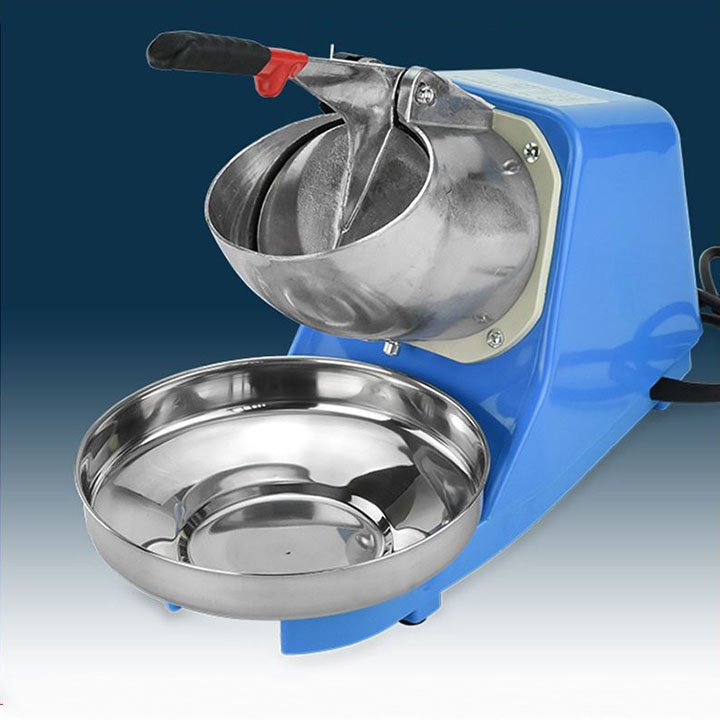
What Exactly Is an Ice Crusher and Why Do You Need One?
At its core, an ice crusher is a device designed to break down large ice cubes into smaller, more manageable pieces. The texture can range from coarse, chunky fragments perfect for a whiskey on the rocks, to fine, snow-like fluff ideal for shaved ice desserts. This versatility is what makes it an indispensable tool for home bartenders, families, and even small cafes. It completely transforms the texture and cooling efficiency of your creations.
The Two Main Players: Manual vs. Electric Ice Crushers
Before diving into maintenance, it’s crucial to know what you’re working with. Your approach to care will differ slightly depending on whether you have a manual or electric model.
Manual Ice Crushers
These are the charming, old-school workhorses. Operated by a hand crank, they are simple, portable, and great for smaller batches. They typically feature a set of stainless steel blades that get to work as you turn the handle. They are fantastic for camping trips or outdoor parties where power isn’t available.
Electric Ice Crushers
For speed and convenience, nothing beats an electric model. With powerful motors and robust blade systems, they can churn out large quantities of crushed ice in seconds. These machines range from compact countertop units for home use to larger, more powerful machines designed for commercial settings. They often come with settings to adjust the coarseness of the ice.
Here’s a quick comparison to help you understand the key differences:
| Feature | Manual Ice Crusher | Electric Ice Crusher |
|---|---|---|
| Power Source | Hand-crank (your arm!) | Electricity |
| Best For | Small batches, portability, cocktails | Large quantities, speed, events |
| Ice Texture | Usually one coarse setting | Often adjustable (fine to coarse) |
| Maintenance | Simpler; mainly blade cleaning | More complex; involves motor care |
| Price Point | Generally more affordable | Wider range, can be expensive |
Safe and Effective Operation: The First Step to Longevity
Believe it or not, the journey of how to extend life of ice crusher begins with how you use it every day. Misuse is the number one cause of premature wear and tear.
- Use the Right Ice: Most home-use ice crushers are designed for standard ice cubes from a freezer tray or icemaker. Avoid using extremely large, dense blocks of ice unless your machine is specifically rated for it. Forcing oversized ice can strain the motor and damage the blades.
- Don’t Overload the Hopper: It’s tempting to stuff the hopper to the brim to get the job done faster, but this is a classic mistake. Overloading prevents the ice from moving freely and can cause the motor to overheat or the crank to jam. Fill it about two-thirds of the way for optimal performance.
- Pulse, Don’t Push (for Electric Models): If your electric model has a pulse function, use it! Short bursts of power are more effective at breaking up ice and put less continuous strain on the motor compared to holding the button down.
- Listen to Your Machine: Your ice crusher will tell you when it’s struggling. If you hear the motor straining, groaning, or making unusual grinding noises, stop immediately. This is a sign of a jam or overload.
Expert Tip from James Carter, Professional Mixologist: “I always tell new bartenders to let the machine do the work. If you have to force the crank on a manual model or hear the electric motor struggling, you’re doing it wrong. Clear the jam, reduce the load, and start again. A happy machine makes for a happy bar.”
|
Our Picks for the Best ice crusher in 2026
As an Amazon Associate, we earn from qualifying purchases.
|
||
| Num | Product | Action |
|---|---|---|
| 1 | Shaved Ice Machine Snow Cone Machine Ice Crusher with Stainless Steel Blade Kitchen Electric for Shaved Ice and Snow Cone (300W 2000r/min) Also Comes with a Free Ice Pick and Ice Cube Tray |

|
| 2 | VEVOR 110V Commercial Ice Crusher 661LBS/H, ETL Approved 300W Electric Snow Cone Machine with Dual Blades, Stainless Steel Shaved Ice Machine with Safety On/Off Switch for Family, Restaurants, Bars |
|
| 3 | HORGELU Ice Crusher Ice Shaver 3 Blades with Ice Pick 286lbs/hr Snow Cone Machine 380W Shaved Ice Machine 2000rpm Food-grade Stainless Steel Ice Shaved Machine 110V Snow Cone Maker for Home Commercial |
|
| 4 | Cuisinart Snow Cone Maker SCM-10P1 |
|
| 5 | OKF Ice Shaver Prevent Splash Snow Cone Machine, Electric 3 Blades Shaved Ice Machine, 380W Ice Shaver Machine, 286lbs/hr Shave Ice Machines, Snowcone Machines, Ice Crusher (Silver) |
|
| 6 | Shaved Ice Machine 380W Electric Ice Crusher Triple Blades Ice Crusher Shaver 286lbs/hr Snow Cone Machine 1500 RPM Stainless Steel Ice Shaver Ice Shaving Machine for Home and Commercial |
|
| 7 | Shaved Ice Machine Snow Cone Machine Ice Crusher with Stainless Steel Blade Kitchen Electric for Shaved Ice and Snow Cone (300W 2000r/min) Also Comes with a Free Ice Pick and Ice Cube Tray |
|
| 8 | Shaved Ice Machine, Electric 3 Blade Snow Cone Machines, 380W Ice Crusher Machine, 286 lb/hr Ice Crusher, Ice Shaving Machine for Home and Commercial (Silver) |
|
| 9 | Shaved Ice Machine Snow Cone Machine Ice Crusher with Stainless Steel Blade Kitchen Electric for Shaved Ice and Snow Cone (300W 2000r/min) Also Comes with a Free Ice Pick and Ice Cube Tray |
|
| 10 | Ice Shaver and Snow Cone Machine, Premium Portable Ice Crusher with Free Ice Cube Trays - BPA Free |
|
Beyond the Cocktail: Creative Uses for Crushed Ice
A well-maintained ice crusher opens up a world of possibilities. To inspire you to keep your machine in top shape, here are a few ideas that go beyond your favorite drink:
- Gourmet Desserts: Create authentic Hawaiian shaved ice, Italian granitas, or Korean bingsu. The fine, snowy texture from a quality ice crusher is key.
- Seafood Displays: Presenting shrimp, oysters, or fish on a bed of crushed ice not only looks professional but keeps them perfectly chilled and fresh.
- Therapeutic Use: A quick batch of crushed ice in a bag makes for a perfect ice pack that conforms to your body, great for sprains and aches.
- Smoothie Upgrade: Using crushed ice instead of whole cubes in your blender results in a smoother, less chunky consistency and is easier on your blender’s blades.
The Ultimate Maintenance Routine: How to Extend Life of Ice Crusher
This is the heart of the matter. A consistent cleaning and maintenance schedule is the single most effective way to guarantee your ice crusher’s longevity.
The Post-Use Quick Clean (Do This Every Time)
This takes less than two minutes and prevents buildup.
- Unplug It: Safety first! Always disconnect an electric ice crusher from the power source before cleaning.
- Empty It Out: Make sure all crushed ice and remaining cubes are removed from the hopper and collection bin.
- Wipe It Down: Use a clean, damp cloth to wipe down the interior and exterior. This removes any residual moisture and prevents mineral deposits (limescale) from tap water, which can dull blades over time.
- Air Dry Completely: This is the most crucial step. Leave the lid open and let all components air dry thoroughly before storing. Trapped moisture is a recipe for rust and mildew.
The Deep-Dive: Monthly Maintenance
Once a month, or more often if you use it frequently, give your machine a little extra TLC.
- Disassemble Safely: Following your manufacturer’s instructions, carefully disassemble any removable parts, such as the collection bin, hopper, and sometimes the blade assembly.
- Wash Removable Parts: Wash these parts in warm, soapy water. Use a soft brush to gently scrub the blade area to remove any stubborn mineral deposits. Never put blades or electronic components in the dishwasher unless the manual explicitly says it’s safe.
- Sanitize the Interior: Mix a solution of one part white vinegar to two parts water. Use a cloth or spray bottle to apply this solution to the inside of the machine. Let it sit for about 5-10 minutes to dissolve mineral buildup. Then, wipe it clean with a fresh, damp cloth to remove any vinegar residue.
- Check the Blades: Visually inspect the blades for any nicks, chips, or signs of dullness. While most home-use crusher blades don’t require regular sharpening, keeping them clean is essential for their performance.
- Inspect the Gaskets and Seals: Check any rubber or silicone seals for signs of cracking or wear. These are critical for preventing leaks. If they look damaged, check with the manufacturer for replacements.
- Reassemble and Store: Once every part is bone-dry, reassemble the machine. Store it in a dry place, away from direct sunlight or extreme temperatures.
This simple routine is the definitive answer to how to extend life of ice crusher.
Frequently Asked Questions (FAQ)
Q: Why is my ice crusher jamming?
A: Jamming is most often caused by overloading the hopper, using ice cubes that are too large, or a buildup of mineral scale on the blades. Try using smaller loads and cleaning your machine with a vinegar solution.
Q: Can I put anything other than water-based ice in my ice crusher?
A: It’s strongly advised not to. Crushing frozen fruit, coffee cubes, or other flavored liquids can leave a sticky residue that is difficult to clean and may damage the mechanical parts over time. Stick to plain ice.
Q: My crushed ice is coming out too coarse/too fine. How can I fix this?
A: If your model has an adjustable blade setting, make sure it’s set correctly. If not, the consistency can sometimes be affected by the size and temperature of the ice cubes you start with. Colder, harder ice tends to produce finer fragments.
Q: How do I know if the blades on my ice crusher are dull?
A: If you notice the machine is taking longer to crush ice, the motor is straining more than usual, or the resulting ice is chunky and inconsistent, your blades may be dull. Check your user manual for information on replacement parts.
Q: Is it okay to leave my ice crusher plugged in when not in use?
A: For safety and to prevent any accidental activation, it’s always best practice to unplug your electric ice crusher after each use.
Your Partner for Perfect Ice
Your ice crusher is a small investment that pays huge dividends in refreshment and culinary creativity. By understanding how it works, using it correctly, and committing to a simple maintenance schedule, you are actively taking the steps on how to extend life of Ice Crusher. You’re not just protecting a piece of equipment; you’re ensuring that the perfect mojito, the most refreshing snow cone, and the most elegant seafood platter are always within reach. So go ahead, raise a glass (filled with perfectly crushed ice, of course) to many more years of chilled perfection.