Picture this: you’re all set for that perfect, frosty margarita. The guests are waiting, the lime is sliced, the salt is on the rim, and then… nothing. Your trusty ice crusher grinds to a halt, its blades firmly jammed. It’s a frustrating moment that can put a chill on any party. If you’re wondering how to fix an ice crusher blade stuck, you’ve come to the right place. As a specialist in these brilliant machines, I’ve seen it all, and I’m here to walk you through the fix and, more importantly, how to prevent it from ever happening again.
This isn’t just about unjamming a blade; it’s about understanding your machine, from its powerful motor to the fine-tuned angle of its steel blades. Let’s dive in and get your ice crusher back to churning out that perfect, fluffy ice.
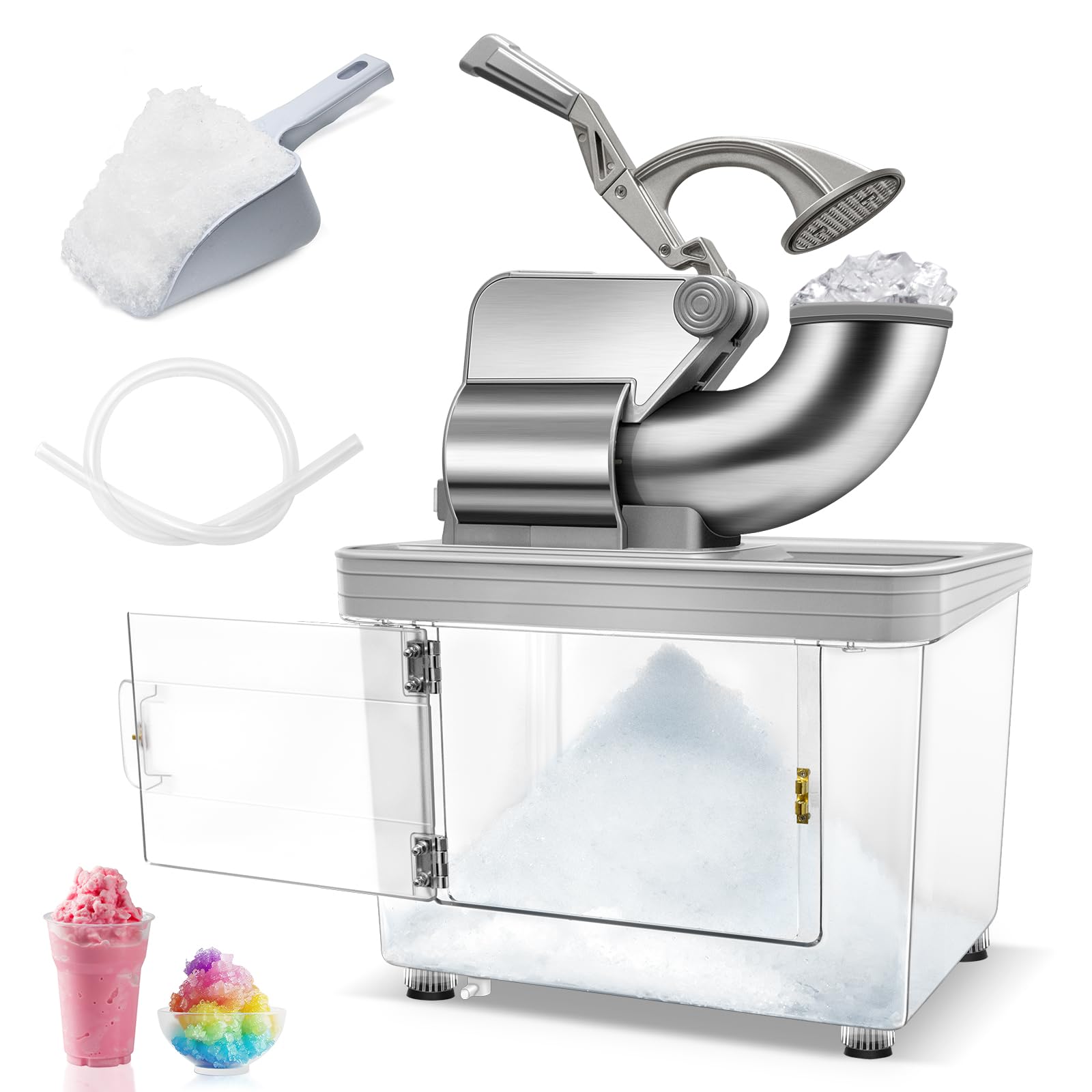
First Things First: Why Do Ice Crusher Blades Get Stuck?
Before we get our hands dirty, let’s understand the common culprits. An ice crusher blade getting stuck is rarely a sign of a faulty machine. More often than not, it’s a simple user error or a matter of physics.
- Ice Cube Overload: This is the number one reason. We get it, you’re in a hurry. But stuffing the hopper to the brim puts immense pressure on the motor and blades. The motor can’t generate enough torque to break through the sheer volume of ice, causing it to stall and jam.
- Ice That’s Too Large or Too Hard: Not all ice is created equal. Large, dense ice cubes straight from a freezer tray can be a shock to the system. A commercial-grade shaved ice machine might handle them, but most home units prefer slightly smaller cubes.
- A “False Start”: If you turn the machine on after loading it, the blades have to start from a dead stop against a solid wall of ice. This can cause an immediate jam.
- Frozen Residue: If you don’t clean your machine properly, tiny ice particles and mineral deposits can melt and refreeze around the blade assembly, essentially cementing it in place.
How to Fix an Ice Crusher Blade Stuck: A Step-by-Step Guide
Alright, let’s get to the main event. Your approach will differ slightly depending on whether you have a manual or an electric model. Safety is paramount here, especially with electric units.
For Electric Ice Crushers: Safety First!
With any electric appliance, especially one with sharp blades, your first step is always the same.
- UNPLUG THE MACHINE: I can’t stress this enough. Always unplug your electric ice crusher from the power source before attempting any kind of inspection or fix. Do not just turn it off; physically remove the plug from the wall.
- Empty the Hopper: Carefully remove any loose ice cubes from the feeding chute or hopper. This will give you a clear view of the problem.
- The Gentle Thaw: Often, the simplest solution is the best. Let the machine sit at room temperature for 10-15 minutes. This will allow the ice causing the jam to melt slightly, often releasing the blade’s grip on its own.
- Manual Inspection: Once unplugged, use a wooden or plastic utensil (like the handle of a wooden spoon) to gently try and dislodge the piece of ice that’s causing the jam. Never use your fingers or metal utensils, as you could damage the blades or yourself.
- The Reverse Function (If Available): Some higher-end models have a “reverse” or “pulse” function. If the gentle thaw doesn’t work, plug the machine back in, ensure the hopper is clear, and try pulsing it in reverse a few times. This can often dislodge the stuck ice.
- Full Disassembly (Last Resort): If all else fails, consult your user manual for instructions on how to disassemble the blade housing. This will allow you to access the jam directly. Once apart, you can remove the obstruction and reassemble.
For Manual Ice Crushers
Fixing a manual ice crusher is typically a more straightforward affair since you don’t have to worry about a motor.
- Try Reversing the Crank: The first thing to try is simply turning the hand crank in the opposite direction. A few firm backward turns can often break the ice jam and free the blades.
- Empty and Tap: If reversing doesn’t work, empty the ice from the hopper. Turn the unit upside down and give it a few firm taps on a countertop protected by a towel. The vibration can be enough to dislodge the stuck cube.
- Use Warm Water: As a final step, you can run a small amount of warm (not hot) water over the blade area. This will quickly melt the offending ice cube. Just be sure to dry the machine thoroughly afterward to prevent rust.
Prevention is the Best Medicine: Keeping Your Blades Spinning
Fixing a jam is one thing, but avoiding it altogether is the real goal. Owning an ice crusher should be effortless and fun. Follow these pro tips, and you’ll dramatically reduce the chances of a jam.
- Use the Right Size Ice: If possible, use smaller ice cubes or crack larger ones into more manageable pieces before putting them in the hopper.
- Don’t Overfill: Fill the hopper no more than two-thirds full. This gives the ice room to move around and allows the blades to tackle a few cubes at a time.
- The “Running Start” Technique: For electric models, turn the machine on for a second before you start adding ice. This allows the blades to get up to full speed, giving them the momentum to crush ice effectively instead of stalling.
- Pulse It: Instead of running the motor continuously, use short bursts or pulses. This mimics a “chopping” motion and is much more effective at breaking down ice without overwhelming the motor.
“The biggest mistake people make is treating their home ice crusher like a commercial blender. It’s a different tool. Respect the ice. Small cubes, don’t overpack it, and let the blades do the work. That’s the secret to perfect crushed ice for cocktails every single time.”
— James Carter, Professional Mixologist
Understanding Your Machine: Manual vs. Electric
Knowing the capabilities of your machine is key to preventing jams. They each have their own personality and strengths.
| Feature | Manual Ice Crusher | Electric Ice Crusher |
|---|---|---|
| Power Source | Hand-cranked elbow grease | Electric motor |
| Best For | Small batches, portability, cocktails | Large quantities, snow cones, parties |
| Ice Texture | Typically coarser, irregular | Often adjustable, can produce fine snow |
| Jam Risk | Lower, easier to fix | Higher, requires more caution |
| Cost | Generally more affordable | Wider price range, can be more expensive |
An electric ice crusher is a workhorse designed for consistency and volume, while a manual ice crusher offers charm, control, and portability. Neither is inherently better, but using them correctly is crucial.
Creative Uses for Your Perfectly Crushed Ice
Now that your machine is running smoothly, let’s think beyond the drink. Perfectly crushed ice is a game-changer in the kitchen and beyond.
- Seafood Displays: Create stunning, professional-looking displays for shrimp cocktails, oysters, or fresh fish by laying them on a bed of crushed ice.
- Gourmet Desserts: Make authentic snow cones, Italian ice, or Halo-Halo. The texture of machine-crushed ice is like freshly fallen snow, far superior to what you can get from a blender.
- Therapeutic Cold Packs: Need a flexible, form-fitting ice pack for a sore muscle or sprain? A bag filled with finely crushed ice is leagues better than hard, lumpy cubes.
- Speed-Chilling: Quickly chill down soups, sauces, or bottles of wine by placing them in a bath of crushed ice. The increased surface area cools things down in record time.
Frequently Asked Questions (FAQ)
Q: Can I sharpen my ice crusher blades?
A: It’s generally not recommended for home users. The blades are designed with a specific angle and hardness. Attempting to sharpen them can alter this balance and may lead to more frequent jams or uneven results. If your blades are dull, it’s best to look for official replacement parts from the manufacturer.
Q: What kind of ice is best to avoid jams?
A: The ideal ice is slightly “wet” or tempered. Let your ice cubes sit out on the counter for a few minutes before crushing. This softens them just enough to make them easier for the blades to bite into, reducing the strain on the motor.
Q: How often should I clean my ice crusher?
A: A quick rinse and dry after every use is best practice. A deeper clean with a mild soap solution should be done weekly if you use it frequently. This prevents the mineral buildup that can lead to parts sticking and blades jamming.
Q: My electric ice crusher motor hums but the blade doesn’t spin. What’s wrong?
A: This is the classic sign of a jam. The motor is trying to turn but is physically blocked. Unplug it immediately to prevent the motor from burning out, and then follow the steps outlined above to clear the obstruction.
Q: Is it normal for my machine to be very loud?
A: Yes, crushing ice is an inherently noisy process! However, if you notice a new, unusual grinding or high-pitched squealing noise, it could indicate a piece of foreign debris is stuck in the mechanism or that the motor is under strain. Stop, unplug, and investigate.
Your Partner in Perfect Ice
A stuck blade can be a nuisance, but it’s rarely a disaster. By understanding why it happens and knowing how to fix an Ice Crusher blade stuck safely, you’re in complete control. Remember that a little prevention—using the right ice, not overfilling, and keeping it clean—goes a long way in ensuring your machine is always ready for action. Now go on, master your machine, and unlock a world of frosty, delicious possibilities.