Let’s be real for a moment. You’ve got guests coming over, the sun is blazing, and everyone’s dreaming of a perfectly chilled margarita or a mountain of fluffy snow cone goodness. You pull out your trusty machine, but the process is painfully slow. If you’ve ever wondered how to crush ice faster with an ice crusher, you’ve landed in the right place. It’s not just about hitting the ‘on’ switch or turning a crank; it’s about understanding the machine from the inside out. As a technical advisor who has seen the guts of more ice crushers than I can count, I’m here to share the secrets to unlocking lightning-fast, perfectly textured ice every single time.
This isn’t just about speed for speed’s sake. It’s about elevating your entire beverage and dessert game. It’s the difference between a watered-down cocktail and a perfectly balanced one, between a gritty sno-ball and one that melts in your mouth like actual snow. So, grab a glass, and let’s dive into the mechanics of making your ice crusher work smarter, not harder.
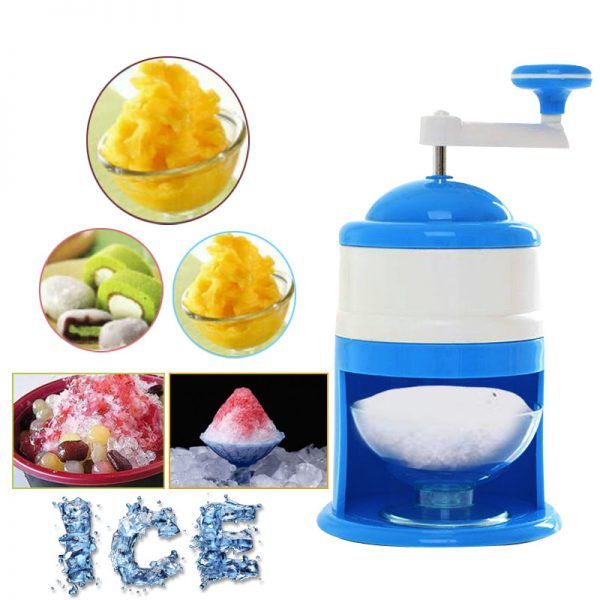
What Is an Ice Crusher and Why Do You Need One?
At its core, an ice crusher is a specialized appliance designed for one job: breaking down large ice cubes into smaller, more manageable pieces. Unlike a blender, which uses high-speed, often blunt blades to pulverize and liquefy, an ice crusher uses sharp, sturdy blades or gears to fracture ice into either coarse chunks or fine, snow-like shavings. This distinction is crucial. Blenders often melt the ice due to the friction and heat from their high-RPM motors, leaving you with a slushy mess instead of distinct ice crystals.
A dedicated ice crusher gives you control. You get consistent texture, which is the secret weapon for professional-looking cocktails, refreshing iced coffees, and even for creating beautiful beds for serving fresh seafood. It’s the unsung hero of the home bar and the summer kitchen.
Manual vs. Electric Ice Crushers: A Speed Showdown
The first step in understanding speed is knowing your equipment. Your approach will differ significantly depending on whether you’re using muscle power or electric might.
Manual Ice Crushers
These are the charming, often retro-styled devices that rely on a hand crank. You pop the ice in the top, turn the handle, and crushed ice comes out the bottom.
- How they work: A set of geared, stainless steel blades grabs and fractures the ice as you turn the crank. The speed is entirely dependent on your cranking power and the gear ratio.
- Speed Factor: Generally slower than electric models, but great for small batches. The key to speed here is rhythm and consistency, not brute force. A steady, even crank is much more effective than fast, jerky movements that can jam the mechanism.
- Best for: Cocktail enthusiasts making one or two drinks at a time, portable use (camping, picnics), or those who enjoy a hands-on process.
Electric Ice Crushers
These are the workhorses. Plug it in, add ice, and press a button.
- How they work: A powerful motor drives a set of sharp, fast-spinning blades that obliterate ice cubes in seconds. The motor’s wattage is a direct indicator of its potential power and speed.
- Speed Factor: Unquestionably faster, especially for larger quantities. A high-wattage motor (300W or more) combined with well-designed blades can turn a hopper full of cubes into a pile of crushed ice in under a minute.
- Best for: Parties, families who love snow cones, small cafes, or anyone who needs a large volume of crushed ice quickly and consistently.
| Feature | Manual Ice Crusher | Electric Ice Crusher |
|---|---|---|
| Speed | Slower, user-dependent | Very fast |
| Volume | Small batches (1-3 drinks) | Large batches |
| Consistency | Can be variable | Highly consistent |
| Effort | Physical effort required | Minimal effort |
| Portability | Excellent | Requires a power outlet |
| Noise Level | Relatively quiet | Can be loud |
How to Crush Ice Faster With an Ice Crusher: The Ultimate Guide
Alright, here’s the core of it. Regardless of your machine type, these five principles will dramatically increase your ice-crushing efficiency. Think of it as a pre-flight checklist for icy perfection.
1. Start with the Right Ice
This is the single most overlooked factor. Not all ice is created equal. Using ice straight from the freezer—rock solid at -18°C (0°F)—is like asking your machine to chew on rocks. It puts immense strain on the motor and blades, slowing everything down.
- The Pro Tip: Let your ice “temper” for a few minutes on the counter before crushing. You want it to look a little wet on the surface. This slightly warmer, softer ice is much easier for the blades to fracture, increasing speed and reducing wear and tear on your machine.
- Size Matters: If possible, use smaller cubes. They require less initial force to break, allowing the machine to process them faster. Some modern refrigerators even have a “small cube” setting.
2. Pre-Chill Your Equipment
This might sound like overkill, but it’s a game-changer, especially for electric models. Motors generate heat, and heat is the enemy of ice. A warm crushing chamber will start melting the ice on contact, creating water that lubricates the cubes, making them harder for the blades to grip.
- The Pro Tip: If you’re doing a big batch, run a small “sacrificial” handful of ice through the machine first. This will instantly chill the blades and the crushing chamber. Discard this first bit of slushy ice, and you’ll find the subsequent batches process much faster and result in a fluffier, drier final product.
3. Don’t Overload the Hopper
This is a classic rookie mistake. You’re in a hurry, so you cram the ice hopper to the brim. In reality, this is counterproductive. Overloading chokes the machine.
- For Electric Crushers: An overfilled hopper prevents the ice from moving freely and making proper contact with the blades. The motor has to work much harder to churn the mass, leading to overheating and a slower crush. It’s far faster to process two medium-sized batches than one overloaded one.
- For Manual Crushers: Overloading can cause the mechanism to jam completely, forcing you to stop, clear the jam, and start over—killing your speed and momentum.
Work in batches, filling the hopper no more than two-thirds full for optimal performance.
4. Master the Technique
- Manual Crank: Find a steady, fluid rhythm. Don’t try to force the crank through a tough piece of ice. Instead, apply consistent pressure. A little back-and-forth wiggle can sometimes help dislodge a stubborn cube and get things moving again.
- Electric Pulse: For some electric models, especially those with a single blade, pulsing the power button (on for 2 seconds, off for 1) can be more effective than just holding it down. This allows the ice to resettle around the blades between pulses, ensuring a more even and faster crush.
5. Keep Your Blades in Prime Condition
Dull blades don’t cut; they smash. This requires more force, more time, and produces a less consistent texture. Your machine’s blades are its most critical component.
- The Pro Tip: Check your blades regularly for nicks or dullness. Most high-quality shaved ice machines use stainless steel blades, which resist rust, but they can still dull over time. Always clean and thoroughly dry your machine after each use to prevent corrosion, which is a blade’s worst enemy.
As professional bartender Michael Carter once told me, “The texture of your ice is as important as the quality of your spirits. Perfect, fluffy crushed ice chills a drink quickly without over-diluting it. A fast, efficient ice crusher isn’t a luxury in a professional bar; it’s a necessity for quality and consistency.”
Creative Uses for Crushed Ice (Beyond Just Drinks)
Once you’ve mastered how to crush ice faster with an ice crusher, you’ll have an abundance of this wonderful stuff. Don’t just limit it to crushed ice for cocktails.
- Desserts: Create incredible granitas, sorbets, or the classic snow cone.
- Food Presentation: Build a stunning raw bar or seafood platter by presenting oysters, shrimp, or ceviche on a bed of glistening crushed ice.
- Therapeutic Use: A bag of fine crushed ice conforms perfectly to the body, making it an ideal ice pack for sprains and aches.
- Baking: Some pastry chefs use fine ice shavings to keep their butter and dough extra cold when making delicate pastries like croissants.
Cleaning and Maintaining Your Ice Crusher for Peak Performance
A clean machine is a fast machine. Ice residue can build up, and mineral deposits from water can affect moving parts. Regular maintenance is non-negotiable for longevity and speed.
- Unplug It: Safety first! Always disconnect your electric ice crusher from the power source before cleaning.
- Disassemble: Carefully remove the hopper, collection bin, and any other removable parts as per your user manual.
- Wash and Rinse: Wash these parts with warm, soapy water. Avoid abrasive sponges that could scratch the plastic. Rinse thoroughly.
- Clean the Blade Assembly: This is the tricky part. Never use your bare hands. Use a long-handled brush (like a bottle brush) to gently scrub the blades and the inside of the crushing chamber.
- Sanitize (Optional): For a deep clean, you can run a solution of one part white vinegar to three parts water through the machine to help break down mineral deposits. Follow it up with a plain water rinse.
- Dry, Dry, Dry: This is the most crucial step. Moisture leads to rust and corrosion on blades and mechanical parts. Dry every single component thoroughly with a soft cloth before reassembling. Air drying is a good final step.
Frequently Asked Questions
Q: Can I use an ice crusher to make shaved ice for snow cones?
A: It depends on the model. Many modern electric ice crushers have an adjustable blade setting that allows you to choose between coarse crushed ice (for cocktails) and fine, fluffy shaved ice (for snow cones). Check your machine’s specifications.
Q: Why is my electric ice crusher so slow and loud?
A: The most common causes are dull blades, overloading the machine, or using ice that is too hard and cold. Try letting your ice temper for a few minutes and working in smaller batches. If the problem persists, your blades may need sharpening or replacement.
Q: Is an ice crusher better than a blender for cocktails?
A: Absolutely. For cocktails like a Mint Julep or a Mojito that call for crushed ice, an ice crusher is far superior. It produces a uniform, crisp texture without the excessive melting and slushiness that you get from a blender’s high-speed friction.
Q: How often should I clean my ice crusher?
A: For best performance, you should rinse and dry the main components after every use. A deep clean, as outlined above, should be performed at least once a month, or more frequently if you use it daily.
Q: Can I put anything other than water-based ice cubes in my ice crusher?
A: It’s strongly advised not to. Crushing frozen fruit or other hard items can damage the blades and void your warranty. Stick to ice cubes to ensure the longevity of your machine.
Your Journey to Icy Perfection
Mastering how to crush ice faster with an Ice Crusher transforms it from a simple kitchen gadget into a high-performance tool. By understanding the interplay between ice temperature, load size, and machine maintenance, you unlock a new level of speed and consistency. No more waiting, no more jamming, no more subpar drinks. Just fast, perfect, and beautiful crushed ice, ready to elevate your cocktails, desserts, and summer afternoons. Now go on and crush it.